

2026 BMW X1 vs. X3 – Side-by-Side Comparison with Price, Specs, & Photos
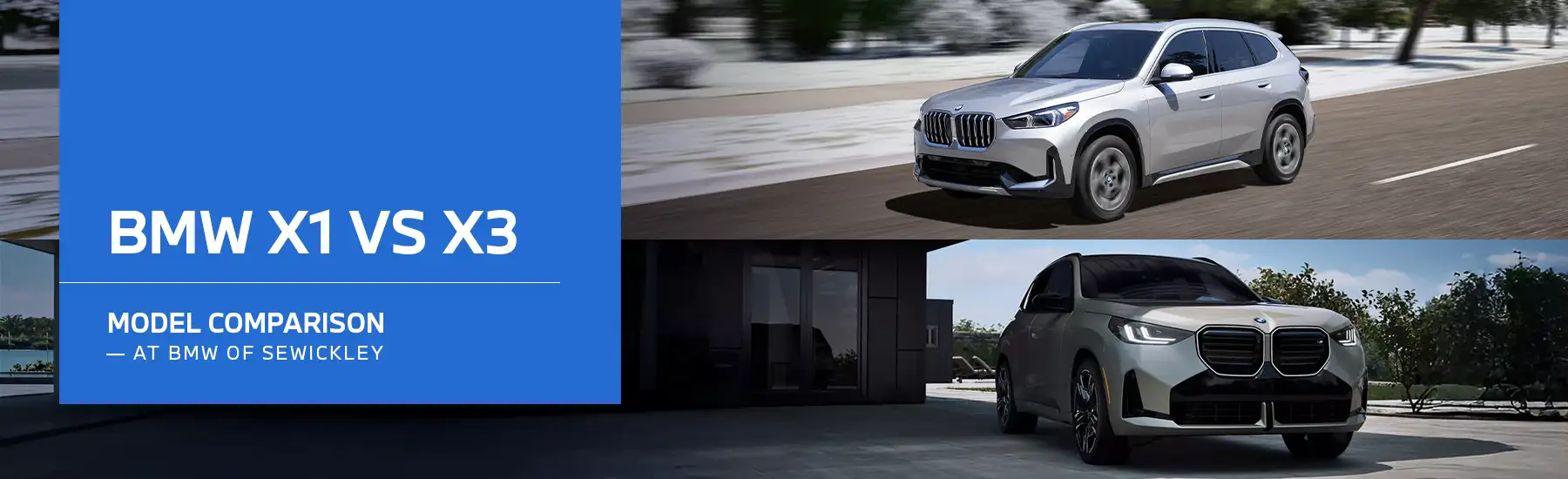
Year after year, it’s evident that nobody else packs performance and luxury into a small SUV quite like BMW. Look no further than two of its most prominent models fitting that description: the subcompact X1 and the compact X3. Each boasts an adrenaline-spiking standard powertrain (and an even stronger available one), leading to impressive on-road capabilities, and each somehow finds a way to deliver more interior space than expected. Naturally, both also have everything else characteristic of the brand, like advanced tech features and premium cabin materials. So what, exactly, separates the X1 from the X3? Let’s dive in.
X1 vs. X3 Highlights
Please Scroll to see more
 |
 |
|
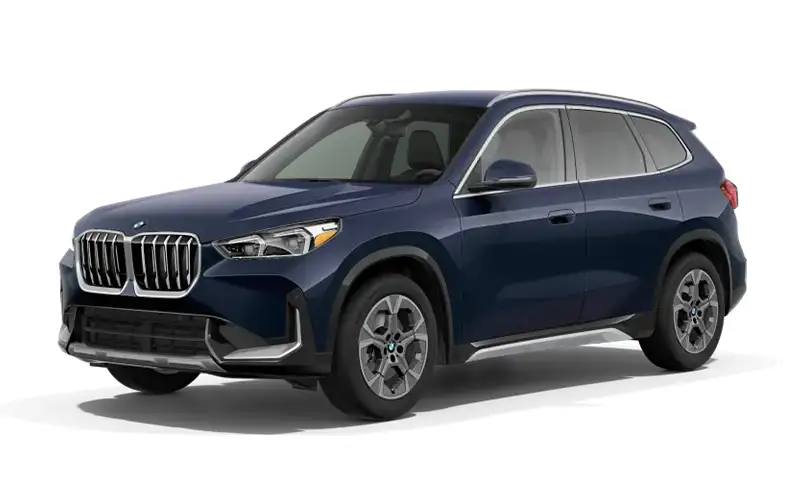
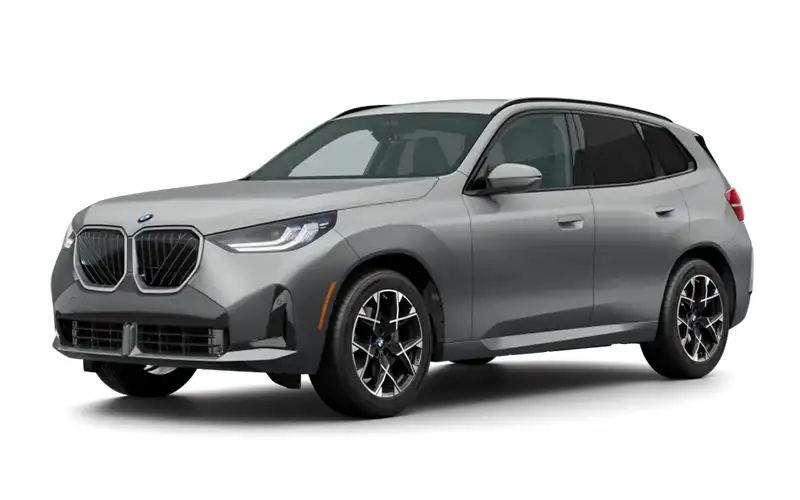
| 2026 BMW X1 | vs. | 2026 BMW X3 |
| $43,200 | Starting MSRP* | $51,300 |
| 2.0-liter I4 – 241 HP | Standard Engine | 2.0-liter I4 – 255 HP |
| 2.0-liter I4 – 312 HP | Available Engine | 3.0-liter I6 – 393 HP |
| All-wheel drive | Drivetrain Configuration | All-wheel drive |
| 3,750 pounds | Curb Weight | 4,176 pounds |
| 5 | Seats | 5 |
| 25 / 34 / 28 | Fuel Economy MPG (city / highway / combined) | 27 / 33 / 29 |
In their base configurations, both the X1 and X3 have remarkably similar performance attributes, from performance to fuel economy. Meanwhile, the X3, particularly when opting for the M50 engine, really shines as a performance vehicle. The larger available engine on the X3 offers a muscular 428 LB-FT of torque, enabling it to post fantastic acceleration numbers, including a 0-to-60 time of just 4.4 seconds (the standard engine is hardly a slouch in that department either, managing an even 6.0 seconds). But whatever it may give up in terms of raw power, the X1 makes up for it by being incredibly responsive and fun to drive thanks largely to its size, praised by critics and customers alike for its athletic handling and zip off the line. Its 0-to-60 times aren’t far behind those of the X3, including 6.2 seconds for the base model and 5.2 seconds for the beefier M35i engine. Whichever you choose, you’ll end up with a BMW capable of tearing up any road.
X1 vs. X3 Dimensions
Please Scroll to see more
 |
 |
|
| 2026 BMW X1 | vs. | 2026 BMW X3 |
| 177.2 inches | Overall Length | 187.2 inches |
| 106.0 inches | Wheelbase | 112.8 inches |
| 38.4 feet | Turning Radius | 40.0 feet |
| 72.6 inches | Width | 75.6 inches |
| 64.6 inches | Height | 65.4 inches |
| 25.7 cubic feet | Cargo Space (back seats up) | 31.5 cubic feet |
| 57.2 cubic feet | Cargo Space (back seats folded) | 67.1 cubic feet |
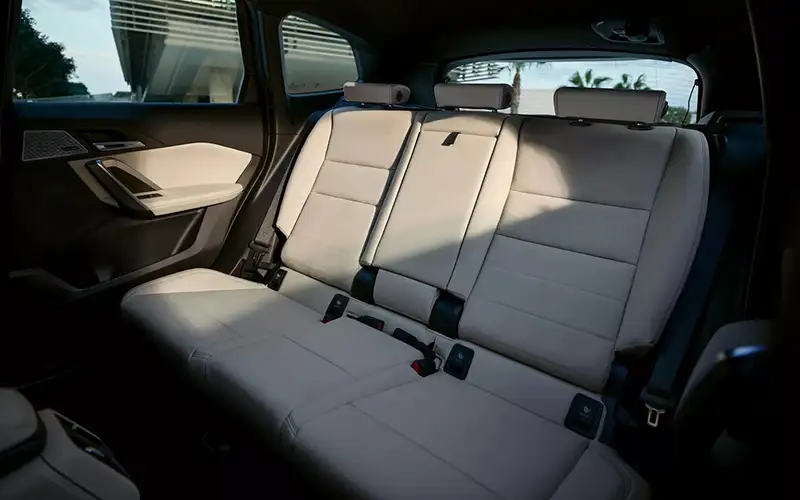
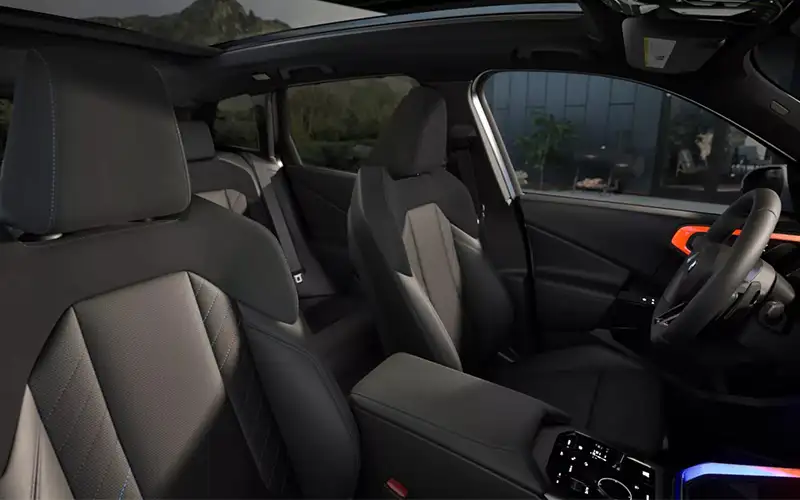
Unsurprisingly, the compact X3 stretches out a little further than the subcompact X1 in terms of overall body dimensions, though that’s actually not reflected much inside the cabin’s seating areas. The larger vehicle has 40.2 inches of legroom and 57.9 inches of shoulder room for those in the front row, versus 40.4 inches and 57.1 inches, respectively, in the X1 (for rear passengers, the numbers also shake out comparably, with the X1 again enjoying a very slight legroom edge). For the most part, the X3’s volume shows up in its cargo space, which maxes out at 67.1 cubic feet — outstanding for a compact luxury crossover. The nimble character of the X1 shows up in its extremely-tight turning radius, though the X3 isn’t far behind. Long story short, it’s evident that both models offer everything you’ve come to expect in a BMW.
*Manufacturer’s Suggested Retail Price (MSRP) for vehicle as shown does not necessarily represent the dealer’s actual sale price and does not include tax, title, license, registration and adjusted market value. Dealer sets actual price. Please consult your selected dealer.