

Used BMW SUV Buying Guide: How to Choose the Right X3, X5 or X7
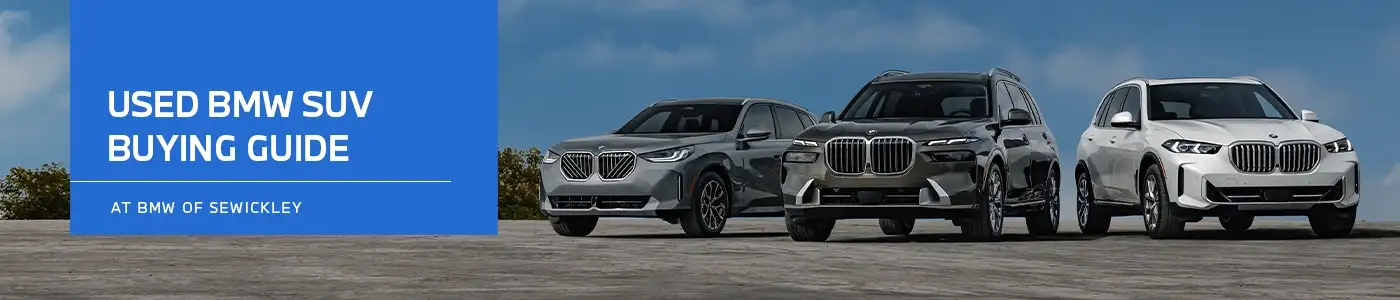
Over the last three decades, BMW has established, then raised — and then raised again — the standard of an ideal luxury SUV. Blending classic “Ultimate Driving Machine” ethos with elite comfort features, the current BMW SUV lineup includes stalwarts like the road-hugging X3, the do-everything X5, and the spacious X7. Considering how well each holds its value long after production, shopping for a used one is a smart idea, but there is still plenty to consider before making a purchase. The team at BMW of Sewickley has created this guide to help ensure that you’re covering all of the essentials. Then, once you’ve done your preliminary research, we’re ready to help you get behind the wheel of your perfect BMW!
Which BMW SUV Fits Your Lifestyle?
No matter which BMW you choose, it will serve you well, offering the blend of performance and luxury that has defined the brand for generations. However, there are several key differences between models that should be considered, and chances are, one will fit what you need in your next vehicle more than others. Let’s take a closer look at what separates the X3, X5, and X7:
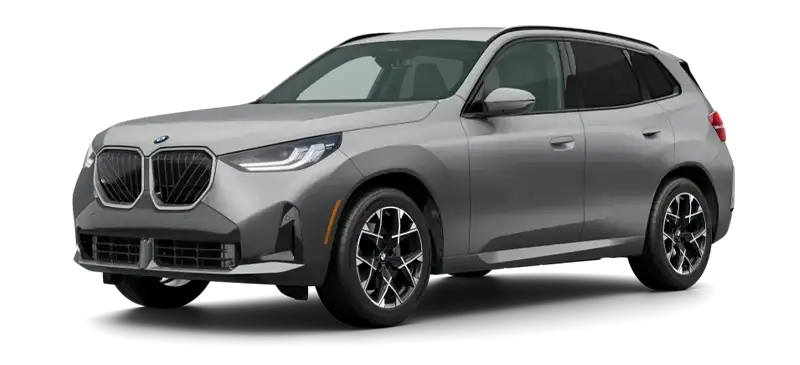
Choose the X3 if…
- Daily commuting needs will be the vehicle’s primary function
- You have a small family that can fit in the X3’s five-seat capacity
- Tight parking in urban environments will be a regular occurrence
- Fuel economy is a major consideration — its EPA-reported miles per gallon figures exceed both the X5 and X7
- You want to keep the cost of ownership as low as possible, as the X3’s insurance, maintenance, and fuel costs are lower than the X5 or the X7
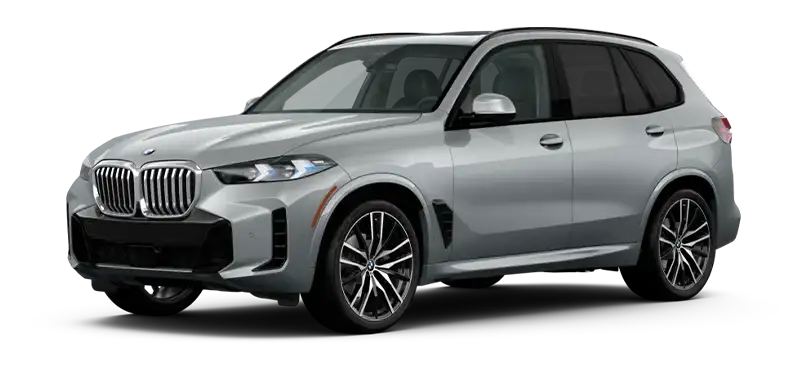
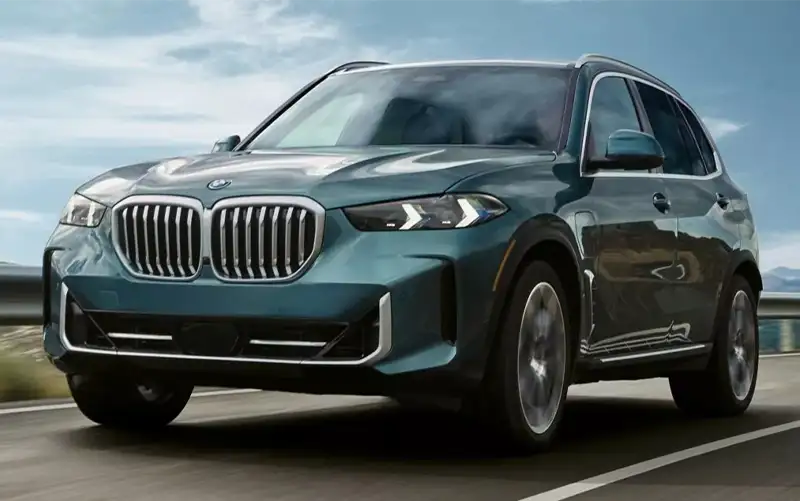
Choose the X5 if…
- Your family is growing, either in headcount or in size, and you want to take advantage of the X5’s outstanding headroom and legroom measurements
- Luxurious interior features, like premium seating materials and enhanced tech capabilities, are important to you
- Some additional cargo space, up to 72.3 cubic feet, would be helpful
- You will be hauling a trailer, since (depending on its configuration) the X5 can tow up to 7,200 pounds, more than enough for most needs
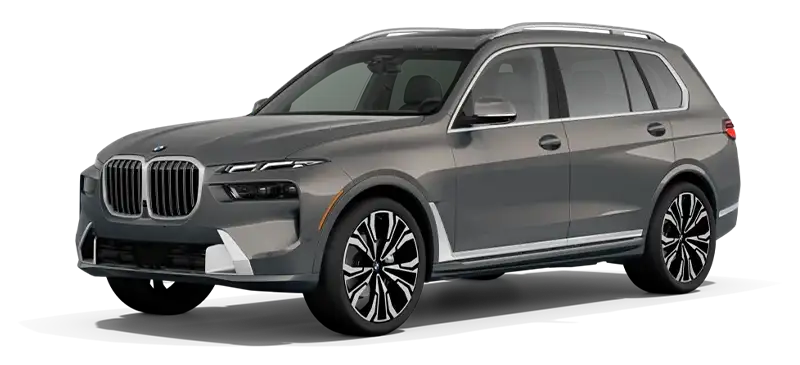
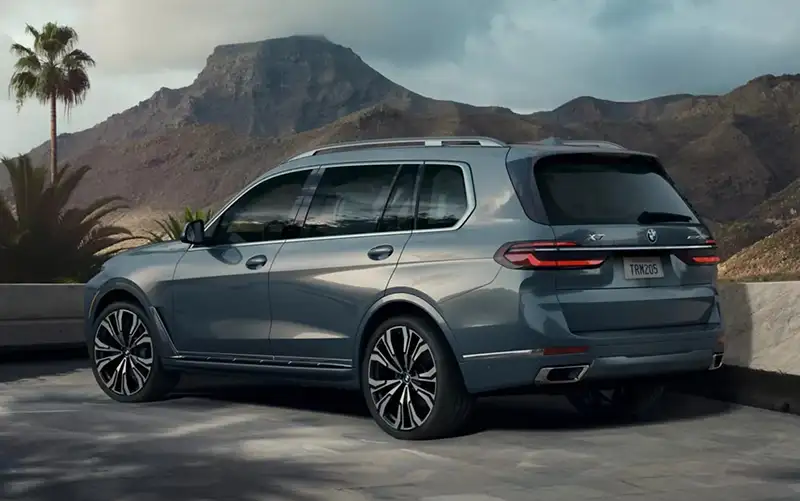
Choose the X7 if…
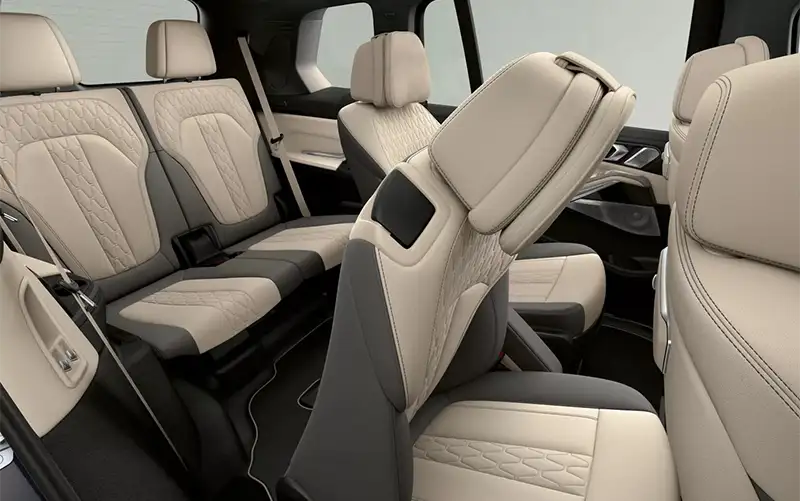
- You need its three rows of seating, as the X3 and X5 each only have two
- Top-end features are important to your driving experience, since the X7 generally includes the best of the best
- Six or seven passengers will frequently be in the vehicle
- You need the maximum possible cargo space — with the seats folded down, the X7 has a whopping 90.4 cubic feet of room
Popular Used BMW SUV Features
All BMW SUVs, including the X3, X5, and X7, contain plenty of features to create a world-class driving experience. Many vary based on model year and trim level though, so be sure to confirm the specifics on any vehicle that may interest you.
Here are some of the more desired features often found on used BMW SUVs, and their broad availability:
- xDrive AWD — The majority of BMW SUVs include xDrive, a revolutionary all-wheel drive system that is able to redistribute power and torque between the front and rear axles, as needed.
- Panoramic moonroof — While the X5 and X7 have generally always included a panoramic moonroof as standard, it’s often been an option on the X3.
- Harman Kardon audio — As true audiophiles know, the best BMW sound systems come from Harman Kardon. However, it has traditionally been an upgrade on all models.
- Heated seats — While heated front seats are now standard, they were frequently optional on older models. Heated rear seats have always been an upgrade.
- Park Assist — Though there are advanced versions of Park Assist that are generally add-ons, most BMWs will feature some form of Park Assist as standard.
- Driver Assistance Professional Package — All BMWs come with several important assistance and safety features, but the Driver Assistance Professional Package, which includes advanced and hands-free functions, is always an upgrade.
- Apple CarPlay and Android Auto — Full connectivity for your phone has been standard across all models in recent years, and will likely be included on any vehicle that catches your eye.
- Wireless charging — Typically standard on the X5 or X7, it has most frequently been an upgrade for the X3, so availability will vary on that model.
Used BMW SUV Inspection Checklist
When purchasing any used BMW, it’s always a good idea to do everything you can to verify the vehicle’s history, along with the functionality of important components. Here’s a basic checklist to help your inspection:
- Confirm the service history of the vehicle, ensuring whether all necessary work is up to date
- Pull the CARFAX (or a similar vehicle history report), which should identify whether the vehicle was involved in any accidents or other major issues
- Check the amount of wear on the tires, and for the absence of any visible damage
- Similarly, ensure that the brakes are worn normally relative to their most recent service date
- Using a basic bounce test, check that the suspension is still effective
- Examine basic iDrive infotainment capability, including any necessary apps and the responsiveness of the touchscreen and controls
- Ensure the presence and functionality of any driver assistance features
- Make sure all other electrical components work as they should
- Study the condition of interior trim, seating, and accessories
- Confirm the number of keys available, and their effectiveness
- Check whether there are any open recalls on the vehicle with uncompleted work
Questions to Ask Before Buying a Used BMW
Beyond the basic inspection points, a few additional, but related, questions will help further your due diligence before completing your purchase:
1. Has all scheduled maintenance been completed?
2. Are there two key fobs?
3. Are all service records available?
4. Is there any time and mileage remaining on the original factory warranty?
5. Is the vehicle BMW Certified Pre-Owned?

Why Certified Pre-Owned (CPO) May Be Worth It
While you should certainly inspect any prospective vehicle yourself while asking the appropriate questions about it, the BMW Certified Pre-Owned (CPO) program can remove most of the stress, and possibly some significant expense, from the buying process.
New BMWs include a factory warranty for up to four years or 50,000 miles. A certified pre-owned vehicle will include whatever remains on that original warranty then, once it expires, a new one-year/unlimited mileage certified pre-owned warranty begins. Three years of BMW Roadside Assistance and a complimentary oil change help round out the CPO package.
Of course, the CPO process significantly reduces the chances that you’ll need either warranty or any roadside assistance benefits. Only BMWs that are less than five years old and have fewer than 60,000 miles on it, as well as a clean, up-to-date history report, are considered for CPO status. From there, they must pass an extensive inspection that includes everything from the presence of an owner’s manual to the engine’s performance.
Simply put, a Certified Pre-Owned BMW is the best way to ensure that you’re buying what truly is a close-to-new vehicle.
FAQs
Should I buy a used BMW X3 or X5?
Simply put, it depends on what you need. If you’re an urban commuter who seeks the performance of a smaller vehicle, then the X3 might be for you. However, if space for a whole family and versatility are on your checklist, you should probably target the X5.
Is a BMW X7 expensive to maintain?
It is true that the BMW X7 will cost a little more to own than other models, by sheer virtue of its size. However, its estimated maintenance costs are within a few hundred dollars per year of the X5, even five years into the vehicle’s lifespan.
Is BMW Certified Pre-Owned worth it?
The BMW Certified Pre-Owned program offers one year of additional warranty coverage on top of any remaining factory warranty, along with three-years of BMW Roadside Assistance. It’s a fantastic way to minimize your repair costs during the early stages of BMW ownership.
What mileage is good for a used BMW SUV?
In a lot of ways, 60,000 miles is sort of a magic number when it comes to a used BMW SUV. It’s the upper limit for a vehicle to be considered for certified pre-owned status, and that’s partly because that’s about when many significant components need to be serviced or replaced. Many consumers have reported finding an odometer reading between 30,000 and 60,000 ideal for striking a balance between up-front value and imminent maintenance costs.
Which used BMW SUV is best for families?
There’s no universal answer to this question, as it truly depends on your family’s size and needs. However, the BMW X5 is often considered an ideal family vehicle, thanks to its versatility. It offers lots of space and comfortable seating for five and top-notch safety features, but is also nimble enough to fit in a tight parking space.
Which BMW SUV has the most cargo space?
The X7 is the largest SUV that BMW has ever built, a designation that includes its cargo space. It boasts a massive 90.4 cubic feet of space behind its first row, compared to 67.1 cubic feet in the X3, and 72.3 cubic feet in the X5. Even with all of the seats in place, the X7 still presents 12.8 cubic feet of cargo space, more than enough for any day-to-day needs.
Does every BMW SUV have xDrive?
xDrive, the name BMW uses for its all-wheel drive, is presently standard on every BMW SUV except for the X5. That model’s base trim features the two-wheel sDrive, and you’ll also find sDrive on many used X3s as well.